-
Letture: Mermaids in History. Engendering Maritime Labour and Business History, 1700–1900, a cura di Erica Mezzoli
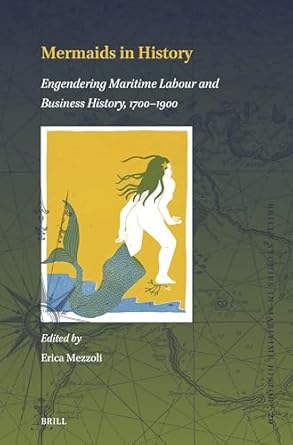
Questo volume si propone di defamiliarizzare la storia marittima economica e sociale dell’Europa e del Nord America, svelando il ruolo delle donne e i loro molteplici contributi nello spazio economico marittimo a predominanza maschile durante la modernità capitalista industriale. Mettendo in discussione il paradigma delle “sfere separate”, i capitoli di questo volume evidenziano l’intricata e…
-
CfP: 51st Annual Economic and Business History Society Conference “Turning Points in Economic and Business History” (Deadline 31 gennaio 2026)
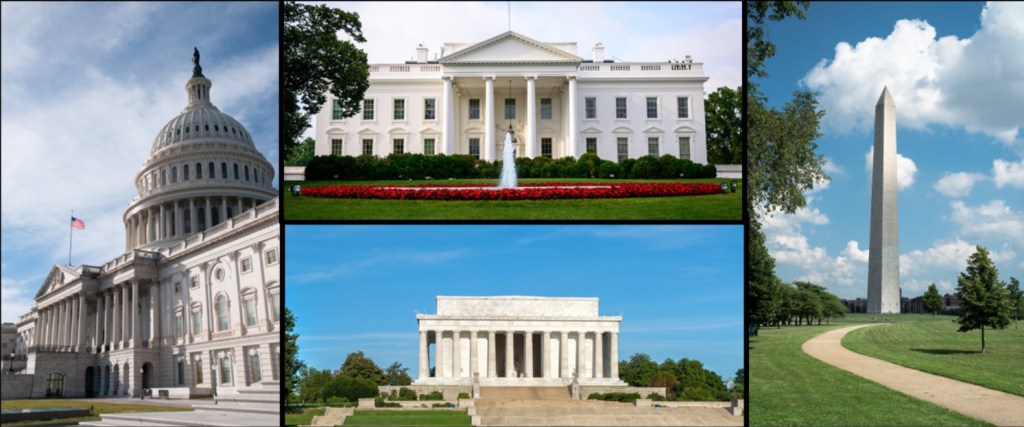
Washington, D.C., Metro Area (Tysons Corner, Virginia), May 28-30, 2026 The Economic and Business History Society is pleased to announce its 51st annual conference, to be held in Tysons Corner, Virginia — just minutes from Washington, D.C. — from May 28 to May 30, 2026. Next year’s theme, “Turning Points in Economic and Business History,”…
-
Letture: CSR and its Internal Narrative. A History of the Pirelli Company Magazine (1950-2019), di Ilaria Suffia
Il termine Corporate Social Responsibility (CSR) è stato coniato negli anni Cinquanta, anche se le nozioni moderne di responsabilità d’impresa possono essere fatte risalire alla seconda metà del XIX secolo. Questo libro utilizza la comunicazione aziendale interna come set di dati per analizzare lo sviluppo della CSR negli ultimi 70 anni, effettuando uno studio dettagliato…
-
Letture: Profits and Persecution: German Big Business in the Nazi Economy and the Holocaust , di Peter Hayes
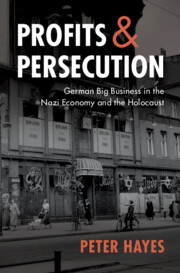
Quale ruolo ebbero le grandi imprese tedesche nella persecuzione degli ebrei europei durante l’Olocausto? Quali furono le loro motivazioni? E come reagirono ai cambiamenti sociali ed economici dopo la guerra? Proprio per rispondere a queste domande, l’autore del volume esamina come i dirigenti delle principali imprese industriali e finanziarie tedesche giocarono un ruolo cruciale nelle…
-
CfP: WORKSHOP: From Insurance to Chartered Companies. New developments in the history of business, slavery, and colonialism (deadline 29 Aprile 2025)

Recent years have seen the proliferation of projects dealing with topics that broadly fit the category of business history of slavery and colonialism. Not only well-established scholars, but many young researchers are picking up projects in this field. Yet because of the broad demarcations of, and interest in, the topic remains divided along disciplinary and…
-
CfP: 2025 Association of Business Historians Conference “Business History Applied” (deadline 24 gennaio 2025)

The Association of Business Historians conference 2025 will be held in Belfast, UK, from 19 to 21 June 2025 and invites submissions to the conference committee on the theme of ‘Business History Applied’. Applied history, the use of the past to inform understanding of current challenges and support decision making, is a growing field. It…
-
CfP: EBHA Conference “Water, business & environment in the long-term: a matter of flux?” (deadline 12 gennaio 2025)

Historians have widely documented how businesses, industries and trades working on large and small scales have influenced human and planetary health and the environment. These impacts, both positively and negatively, were often mediated through the flows of water. On the one hand, businesses and trades played a key role in providing clean drinking water, thereby…
-
CfP: Special issue call for Business History “Sustainability transitions in business history” (deadline 30 gennaio 2025)

Businesses today face unprecedented pressure to transform their operations in response to environmental crises, particularly climate change, and government policy. With the transformation of old and rise of new “green” industries, we are potentially witnessing what may be the most significant industrial transformation since World War II. While business history research exploring the role of…
-
CfP: 50th Annual Economic and Business History Society Conference “Forging New Frontiers” (deadline 31 gennaio 2025)

May 29-31, 2025. Birmingham, Alabama The Economic and Business History Society (EBHS) is proud to announce its 50th annual conference, to be held in Birmingham, Alabama, on May 29-31, 2025. As we mark half a century of pioneering interdisciplinary research, we invite scholars to explore the theme of “Forging New Frontiers” in economic and business…
-
CfP: WEHC 2025 Session: Profits, Dividends and Returns (deadline 31 ottobre 2024)

28 July – 1 August 2025, Lund, Sweden Inequality presents a formidable challenge to the sustainability of our societies. Currently, the top 10% globally commands 52% of total income. Notably, global wealth distribution appears even more imbalanced than income distribution. The top 10% holds a staggering 76% of total net wealth, inclusive of substantial financial…

 ARiSE
ARiSE 