
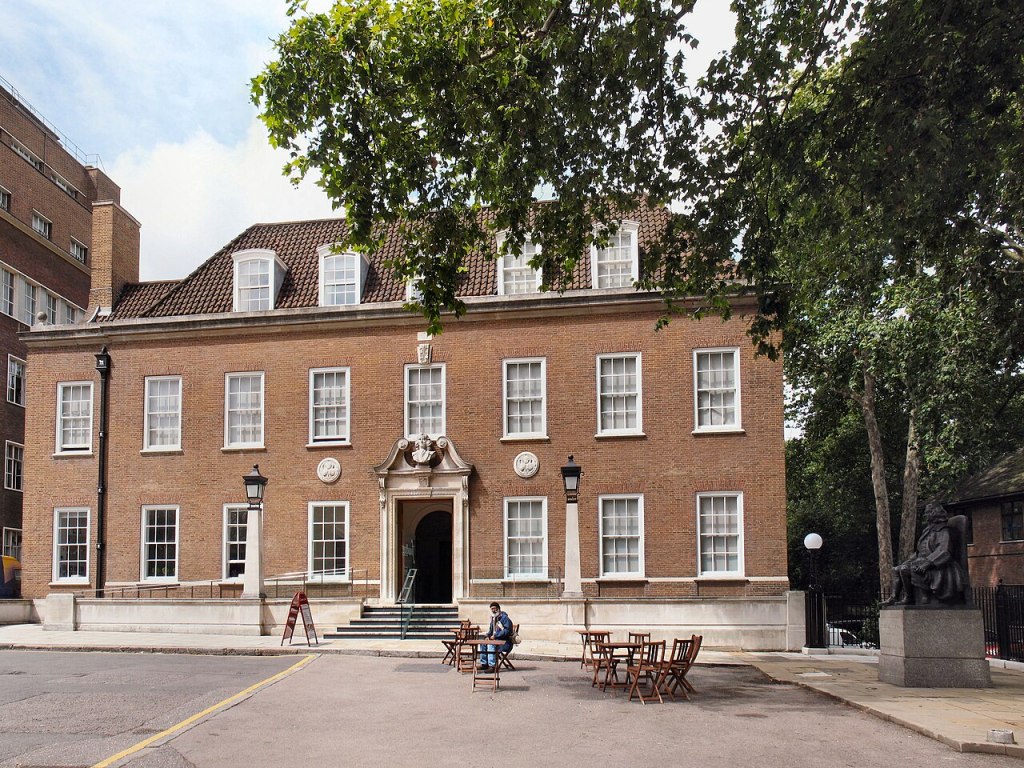
The Foundling Museum, London (U.K.), Friday & Saturday, June 12-13, 2026
Overview
We invite submissions for our 9th interdisciplinary conference exploring how women’s interactions with money, markets, and finance have shaped, and been shaped by, economic crises, financial literacy practices, and strategies for resilience across time and borders. This year, we especially welcome reflections on how evolving political landscapes reshape economic power, knowledge access, and inclusion.
We will be celebrating the publication of our first edited collection, Women, Money, and Markets: Uncovering the Invisible Hands of the Economy (Boydell & Brewer, 2026).
Potential contributions may address (but are not limited to):
– Material Culture & Financial Activism
Drawing inspiration from The Foundling Hospital’s archives, how material items, including but limited to sewing/knitting, tokens, calendars, etc., were used by women to teach, learn, or execute financial skills, especially when formal institutions excluded them; and how artifacts – e.g. pocketbooks, receipts, letters, teaching pamphlets – help to reveal financial practices that women adopted when formal systems were under threat or failed.
– Resilience in Marginalisation
Examination of women’s survival strategies, real or fictional, in the face of systemic exclusion from formal markets, such as through cooperatives, informal credit, or communal aid.
– Literature, Media & Representation
How women’s financial roles are portrayed during economic collapses or shifts, both in historical and fictional narratives of money and agency.
– Comparative and Cross-cultural Dimensions
Global case studies comparing diverse legal and economic environments, from colonial economies to more recent policy changes.
Investigations into differences and commonalities in how women in different societies responded to economic marginalisation or inclusion.
– Surviving Economic and Political Backlash
Literary or artistic depictions of women exhibiting financial ingenuity or deftness against barriers, or amidst repression, particularly when legal safeguards are weakened.
Women-led and women-participating resilience practices during discriminatory regimes or policy rollbacks.
Submission Guidelines
Abstracts: Up to 300 words for individual papers.
Panel Proposals: Include abstracts (≤300 words each) for up to three speakers.
Formats: Individual papers, panels, or roundtable discussions.
Publication Interest: State whether your work is suitable for future collections or journal issues.
Submit to: Enquiries to Dr. Emma Newport at e.newport@sussex.ac.uk,.
For more information, see the call for paper
 ARiSE
ARiSE 