
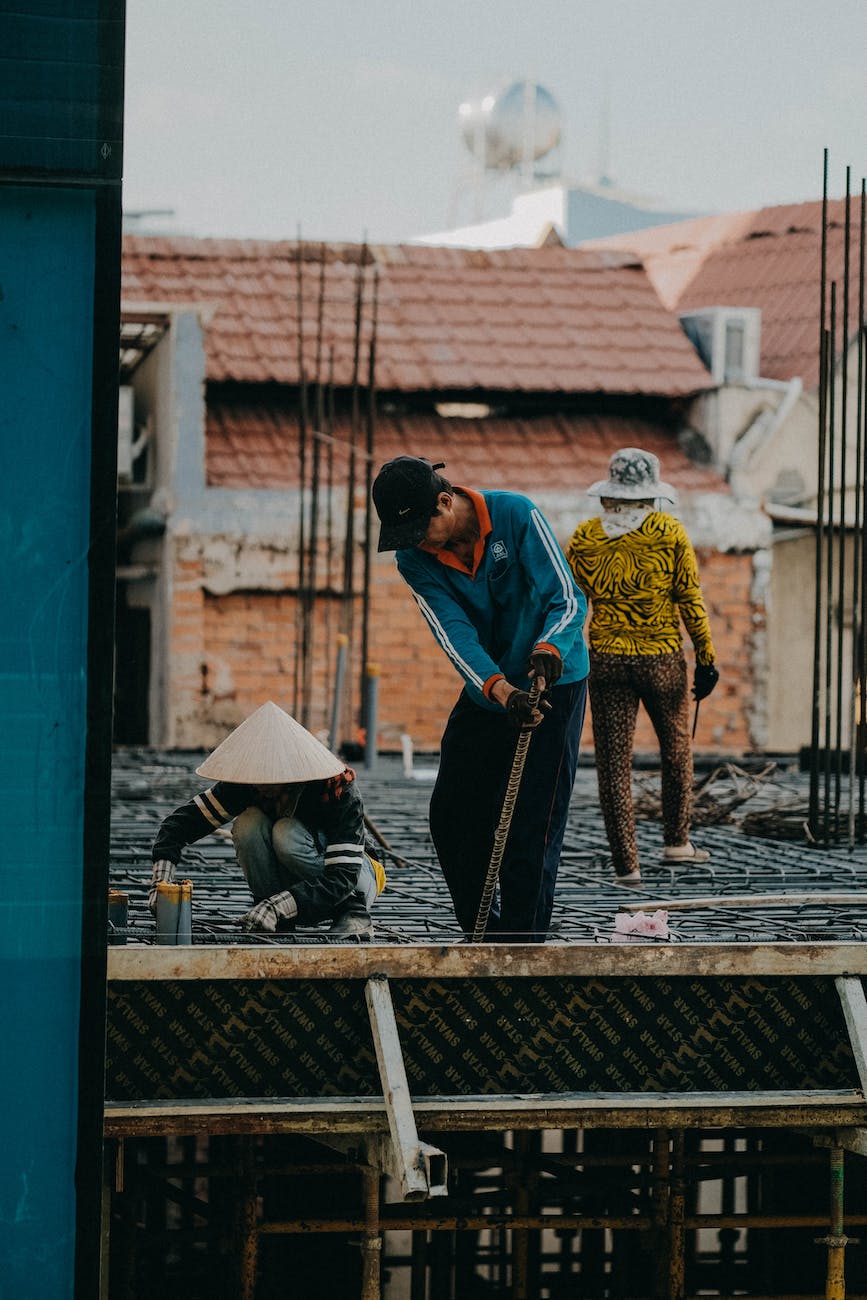
Defining the constituent elements of work in ancient societies is a challenge for historians, as they generally do not correspond to contemporary conceptions of the professional world, which are often ill-suited to the semantic richness and fluidity of the categories in use in the ancient and medieval worlds. It is striking, however, that the notion of ‘frontier’ appears regularly when we attempt to define the contours of professional practices and their actors in these contexts. Legal/illegal work, work oriented towards self-consumption work/work open to the market, urban/rural work, constrained/free work, paid/unpaid work are all oppositions to be questioned, shifting and porous notions to be discussed, in order to reflect on the complexity of work and its multiple variations in time and space.
For this tenth issue of Frontière·s, authors are therefore invited to identify and question the boundaries of work in protohistoric, ancient and medieval societies. All types of approaches and sources (archaeological sources, textual sources, epigraphy, iconography…) can be considered. Historiographical reflections are particularly encouraged.
Timeline
· 31 December 2023: Abstract submission deadline (optional)
· 31 May 2024: Deadline for submission of full papers
· December 2024: Publication
How to submit
All paper proposals will consist of a text in French or English of up to 25,000 characters (excluding spaces), accompanied by abstracts in French and English (between 800 and 1,200 characters, excluding spaces) and keywords in French and English, and must be submitted by e-mail only to frontiere-s@msh-lse.fr including institutional affiliation, position and name of the author. If they wish, authors may submit an abstract of no more than half a page in English or French with bibliographic references by 31 December 2023 for an indicative opinion from editors (answer within one month).
 ARiSE
ARiSE 